
Lawn Conversion and Valley Water Rebates
Beyond Gardens converts high-water lawns into water-wise California native gardens and helps homeowners navigate Santa Clara Valley Water District rebate programs. As a Valley Water Approved Professional Landscape Designer, we can provide a design consultation reimbursable up to $200, and we handle the sequencing so your rebate is not jeopardized.
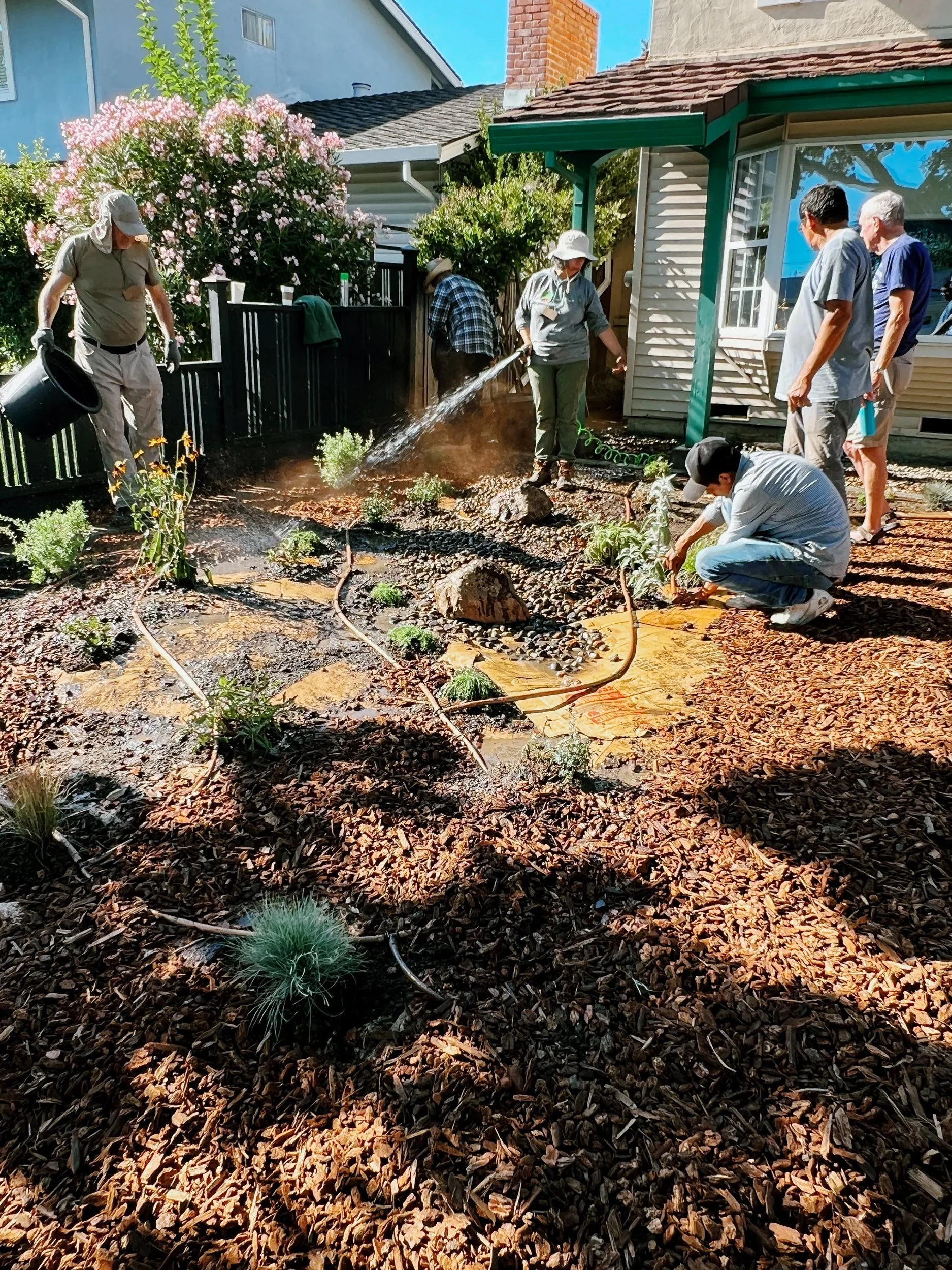
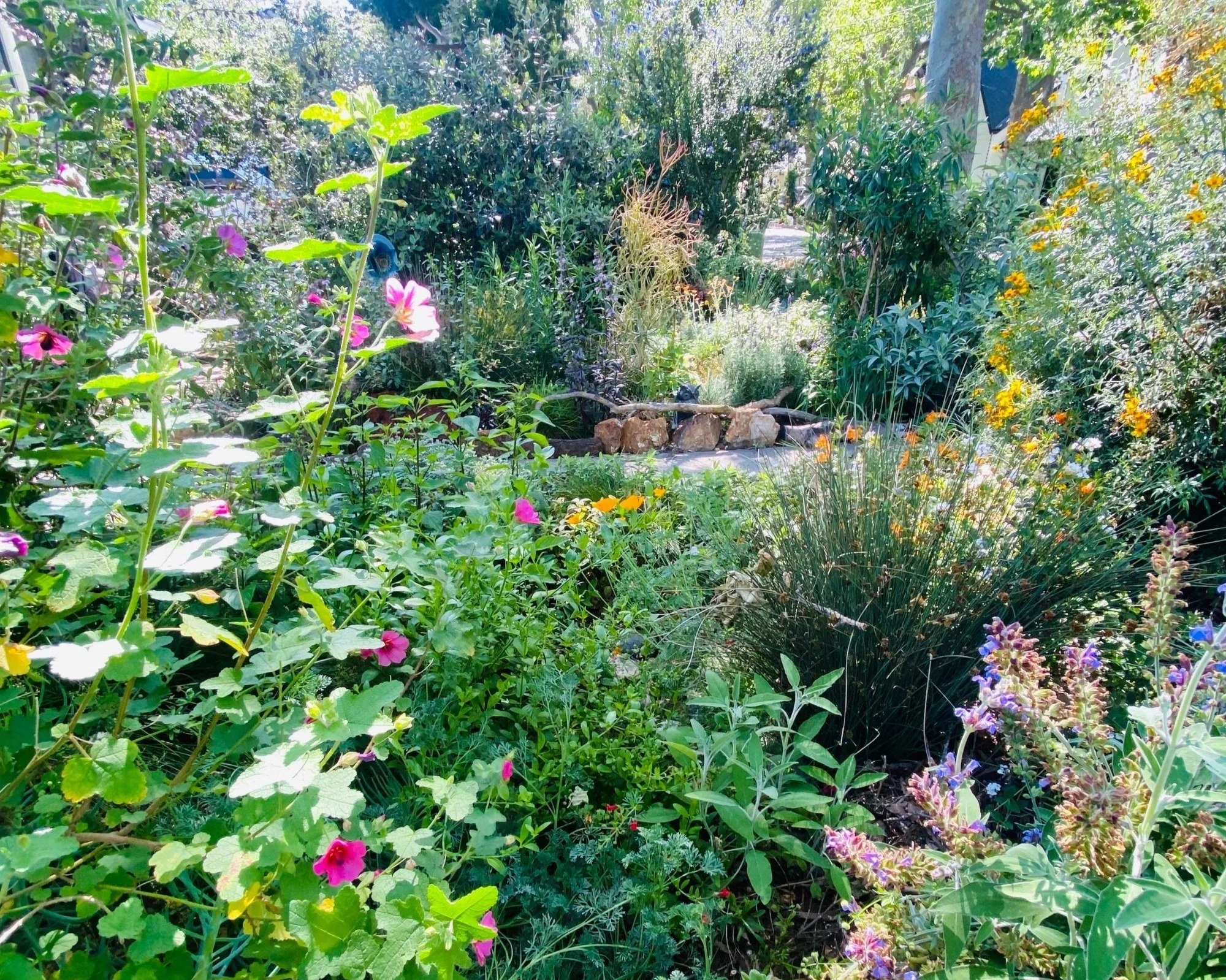
Removing turf grass and replacing it with a climate-appropriate planted landscape. Done properly, it is not simply pulling out grass and putting in gravel. A real conversion rebuilds the soil, redirects the water, and installs a living system that needs a fraction of the input.
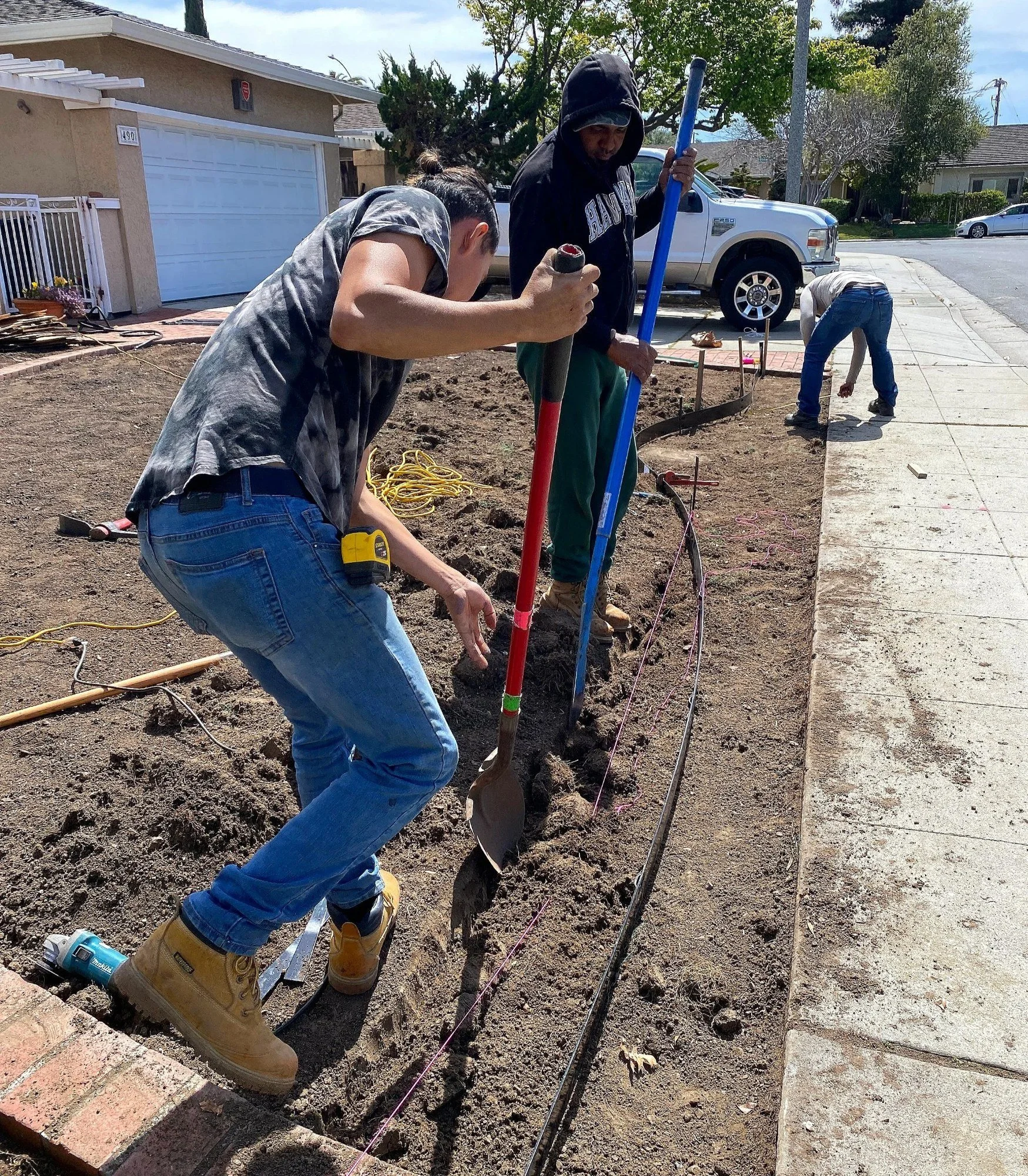
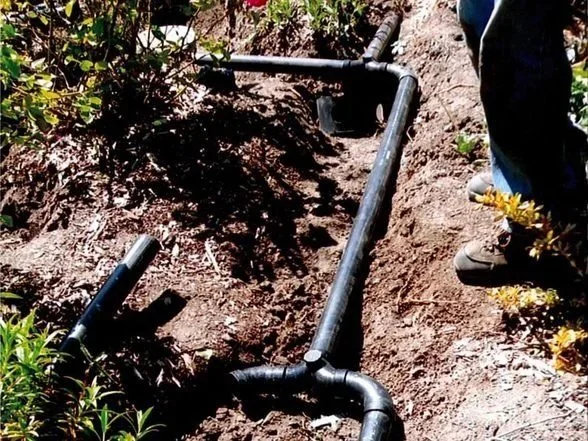
A typical conversion includes sheet mulching to smother turf without herbicide, decompaction and compost, a drip irrigation retrofit, native and drought-tolerant planting, permeable pathways, and mulch. Many conversions also add rainwater basins so storm runoff soaks in on site instead of flowing to the storm drain.
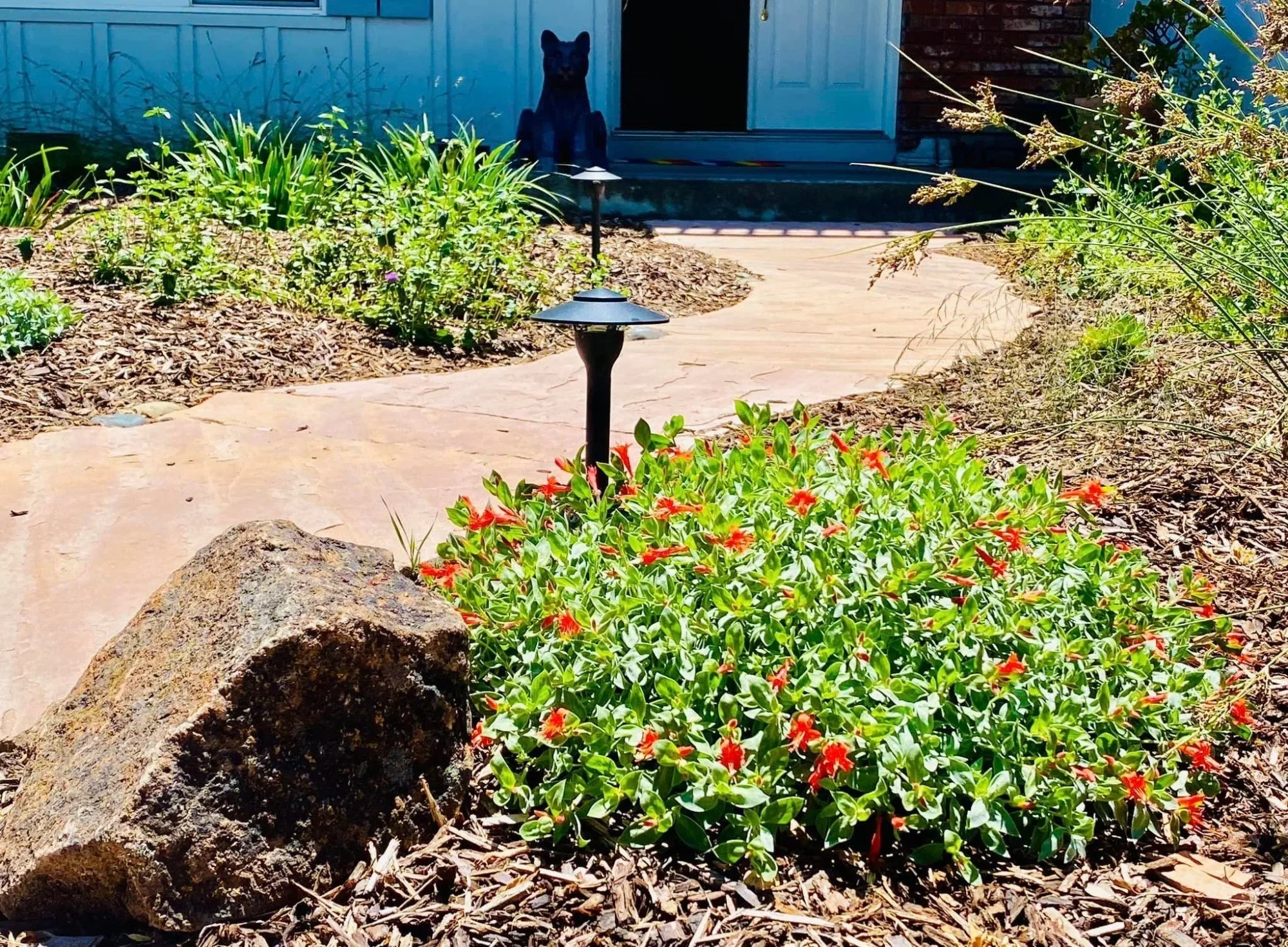
The single most important thing to know about rebates
Valley Water requires an approved application and, for the conversion program, a Notice to Proceed before work begins. Tearing out the grass first disqualifies the project. This is the most common and most expensive mistake homeowners make, and it is entirely avoidable.
If you have already started, call us anyway. Sometimes the remaining scope can still be structured to qualify.
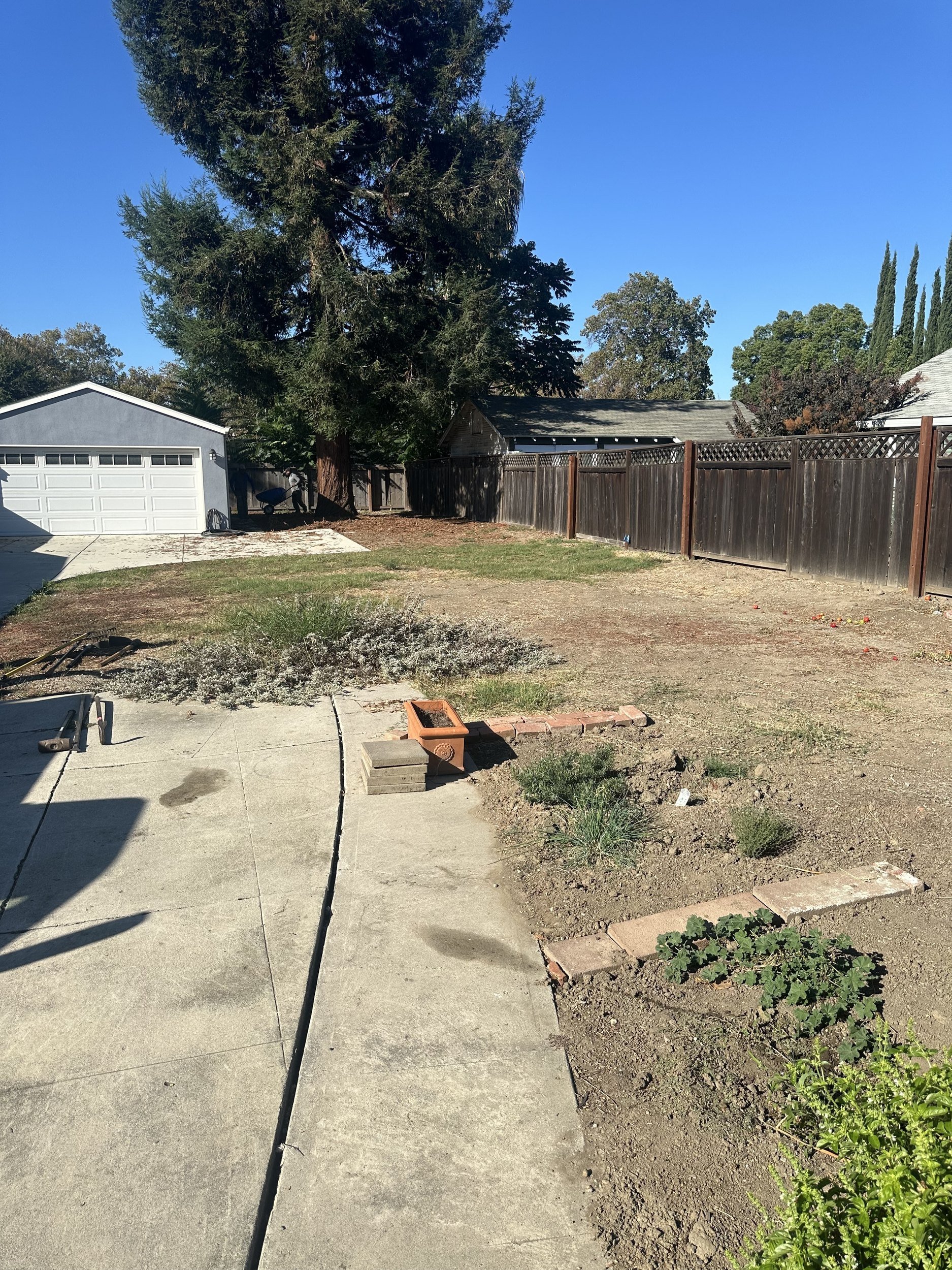
The program provides up to two hours of consultation with an approved professional landscape designer for a front-yard lawn conversion.
How does
the Landscape
Design Assistance
Program work?
Eligibility: single-family or small multi-family property within Santa Clara County, with an active Landscape Conversion application on file with Valley Water.
Apply
Submit a Landscape Rebate Program application through the Valley Water portal and select the Landscape Design Assistance Program option.
Choose your designer
Select Beyond Gardens from the Valley Water Approved Professional Landscape Designer list, then contact us to schedule.
Prepare
Complete the Landscape Design Questionnaire, sketch a basic property map, and gather inspiration photos. Two hours goes fast; arriving prepared roughly doubles what you get out of it.
Consult
We analyze site conditions, evaluate needs, and give recommendations on layout, plants, and features.
Pay and keep the receipt
The $200 consultation fee is paid directly to the designer. The receipt is what gets you reimbursed.
Get your Notice to Proceed
Submit your proposed plant list to Valley Water and wait for approval before starting work.
Build, document, submit
After the project is complete, submit the required documentation including the design receipt.
How much water does
a lawn conversion actually save?
Turf is the single largest outdoor water use in most Santa Clara County households. A conventional lawn needs regular irrigation through the entire dry season. An established California native garden, planted in fall and watered through its first two summers, often needs little to no supplemental irrigation afterward.
The savings compound. Less water, no mowing, no fertilizer, no pesticides, and no weekly gardener visit to maintain a monoculture that fights the local climate every month of the year.
-
The Design Assistance Program is aimed at front-yard lawn conversion. Other Valley Water programs may apply to other areas. We convert back yards regardless of rebate eligibility, and often the back yard is where the food forest goes.
-
No. We remove lawn by sheet-mulching or by mechanical removal, depending on the grass and how fast you need the space back. Both methods leave the soil biology intact, which is what the new planting depends on.
-
Usually yes. We design to your HOA guidelines where they exist, and we can provide plans and plant lists for their approval.
-
A conversion looks planted immediately and looks established in two to three growing seasons. Mulch and layout do a lot of the visual work in the first year.
-
Yes. Plenty of our clients keep a small area of lawn for children or dogs and convert the rest. Keeping it small, and putting it where it is actually used, is what saves the water.