
Landscape Installation
Beyond Gardens builds the landscapes we design, using our own crew rather than subcontractors. Installation covers demolition and lawn removal, grading and drainage, soil preparation, hardscape and stonework, irrigation, and planting. One crew, one point of contact, from first dig to final walkthrough.
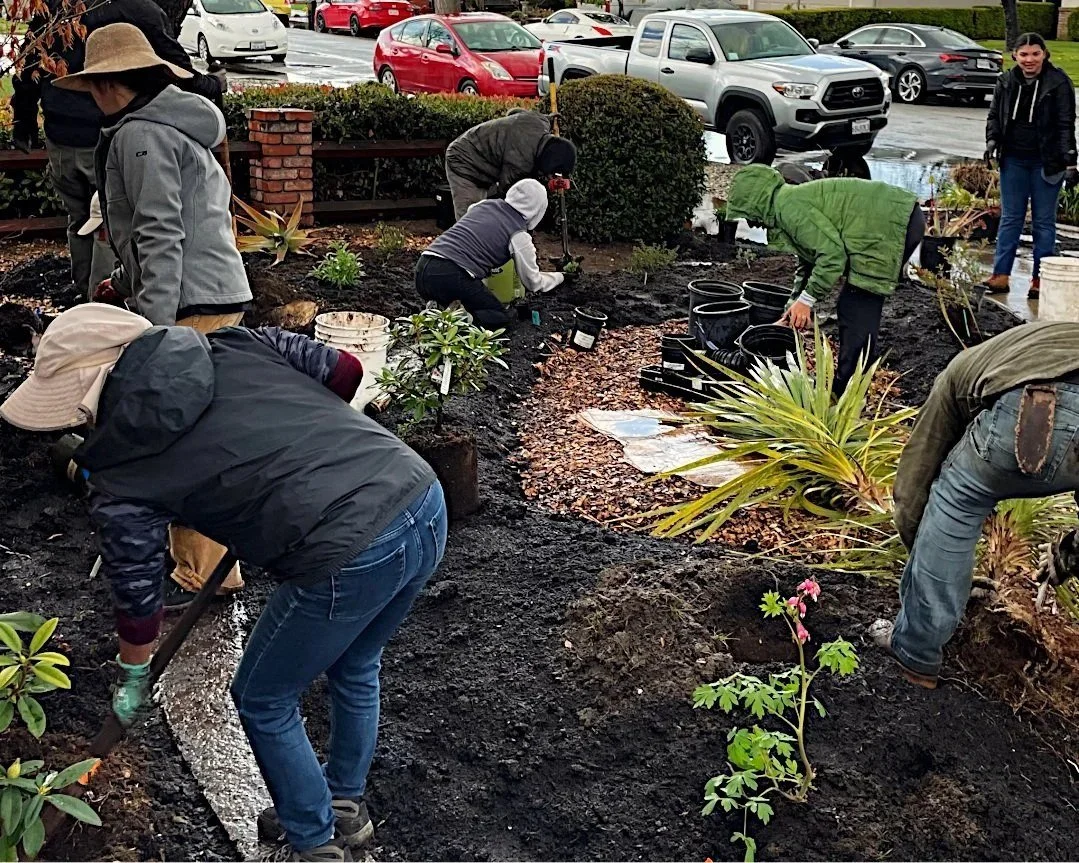
What does a full landscape installation include?
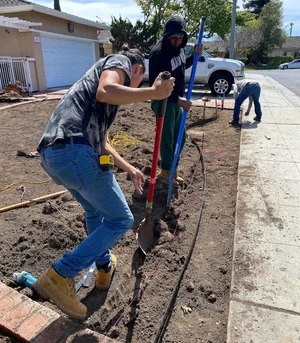
Site preparation
Removing what is leaving, whether that is turf, concrete, or a failed previous installation. Concrete removal is common in older San José properties, and we reuse broken concrete as urbanite wherever it makes sense rather than sending it to landfill.
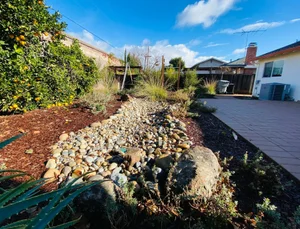
Grading and drainage
Shaping the ground so water goes where you want it. In a permaculture install, this often means building swales and basins that slow and sink rainwater instead of shedding it to the street.
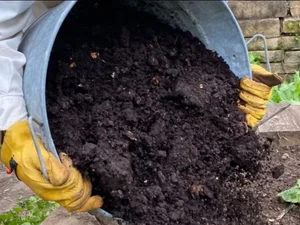
Soil preparation
Sheet mulching, compost incorporation, and decompaction. This step is invisible in photographs and is the single biggest predictor of whether a garden thrives in year three.
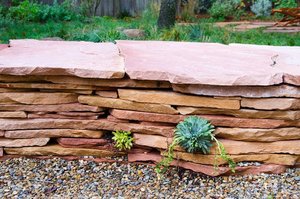
Hardscape
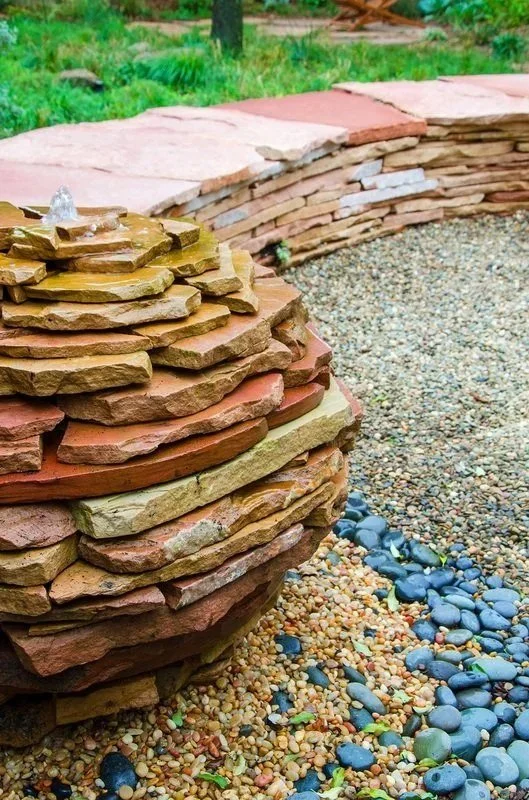
Dry-laid stone paths, patios, retaining walls, and seating. See Stonework and Hardscaping
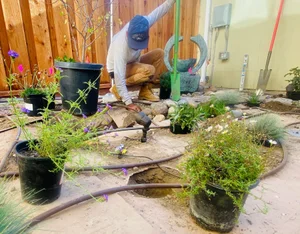
Irrigation
Drip lines, valves, controllers, and where appropriate greywater and rainwater systems. See Irrigation and Rainwater Harvesting
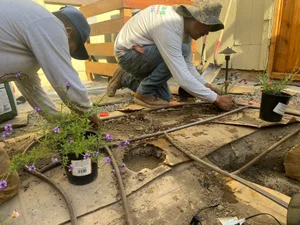
Planting
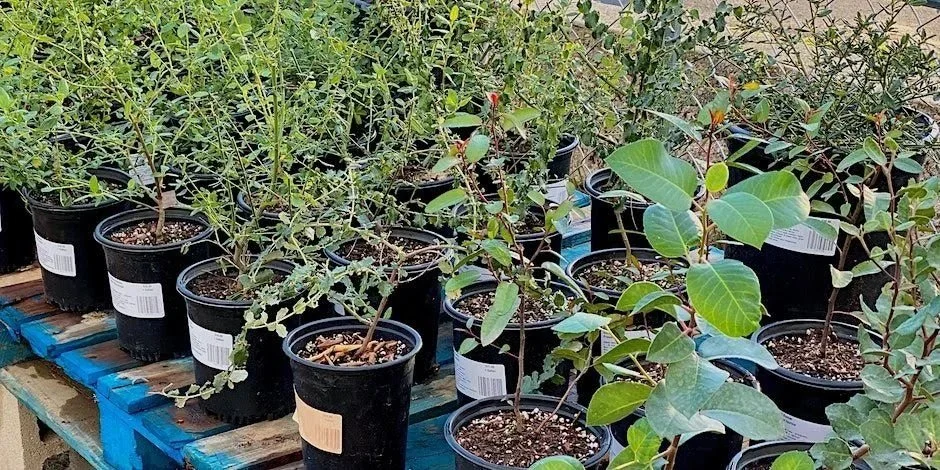
Trees, shrubs, perennials, grasses, and groundcover, placed with mature size in mind rather than crammed for instant effect.
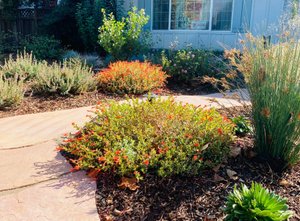
Mulch and finish
Arbor mulch or gravel to suit the planting, plus cleanup.
How long does
installation take?
Most residential projects run two to eight weeks of on-site work. A front-yard lawn conversion with modest hardscape might take two weeks. A full front and back transformation with retaining walls, a patio, a greywater system, and a deck runs closer to eight.
Weather matters. Heavy hardscape work slows in winter rain, and native plants go in best between late fall and early spring, which is when they establish with minimal supplemental water. We often sequence the hardscape for late summer and the planting for the first rains.
Who actually does
the work?
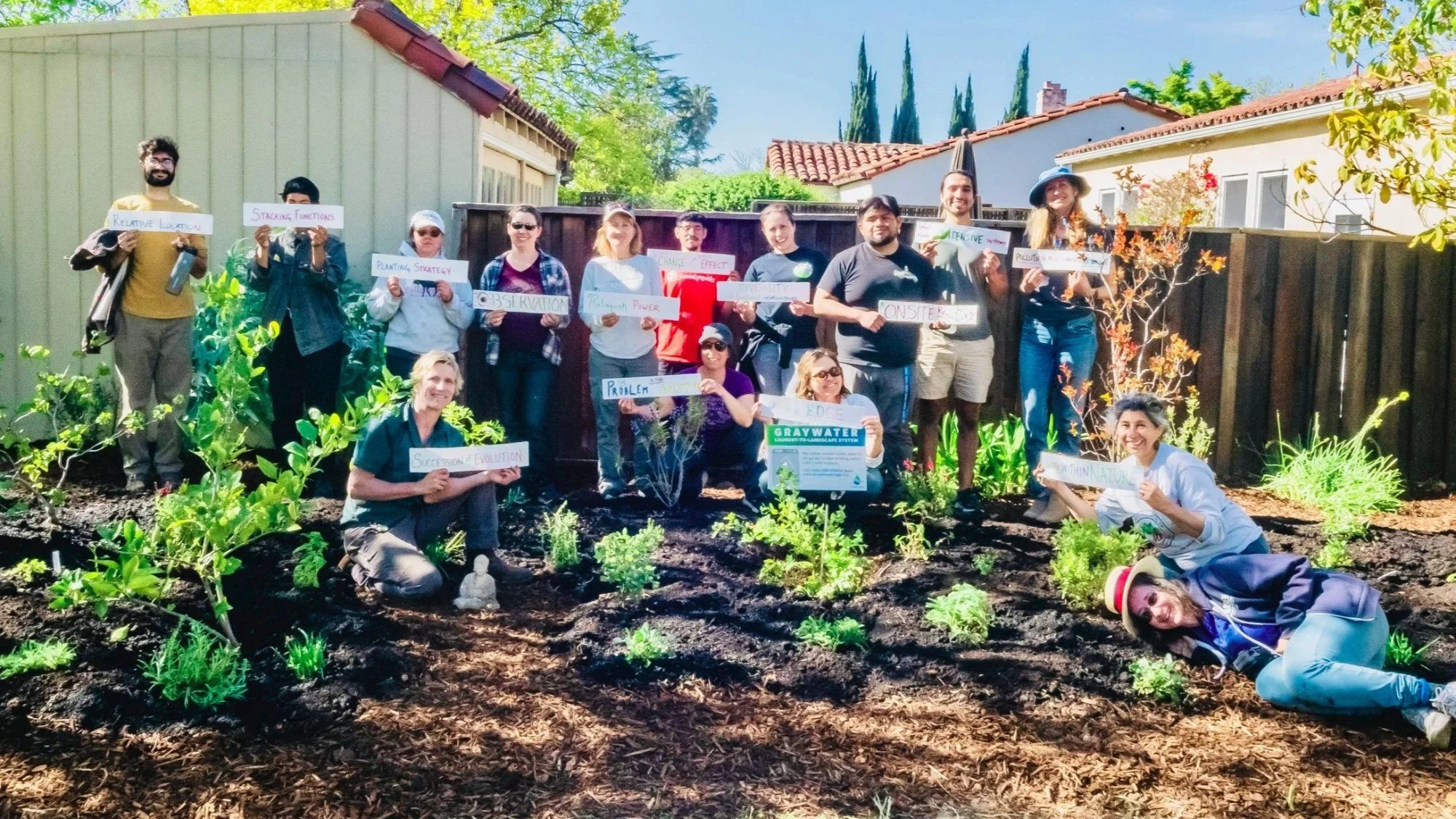
Our own crew, made up of long-term team members. The same people show up each day. Our stonework is done by our own mason, not a subcontracted crew, which is why the dry-laid stone on our projects looks the way it does.
This matters more than it sounds. The most common failure mode in landscape construction is a beautiful plan handed to a crew that was not part of the conversation and does not know which details carry the design. That gap does not exist here.
-
Yes, if the plan is sound for this climate. We will review it first and flag anything that will not survive or will waste water, so you can decide before we start.
-
We tell you early which parts of a project are likely to need a permit, such as retaining walls above a certain height, structures, electrical and some drainage work, and we coordinate the paperwork with your local building department.
-
Yes, and it is often the sensible way to do it. We sequence phases so the work that has to come first, grading, drainage, irrigation mains and hardscape, is done before planting, and so each finished phase looks complete on its own.
-
We hand over a watering and care schedule, and we set the irrigation for establishment rather than for a mature garden. Most clients keep us on for maintenance through the first two summers, when a native garden is most vulnerable.
-
Yes. We avoid synthetic herbicides and pesticides, choose untreated or naturally durable timber where it is exposed, and prefer stone, gravel and compost sourced as locally as we can.