
California Native Plant and Pollinator
Gardens
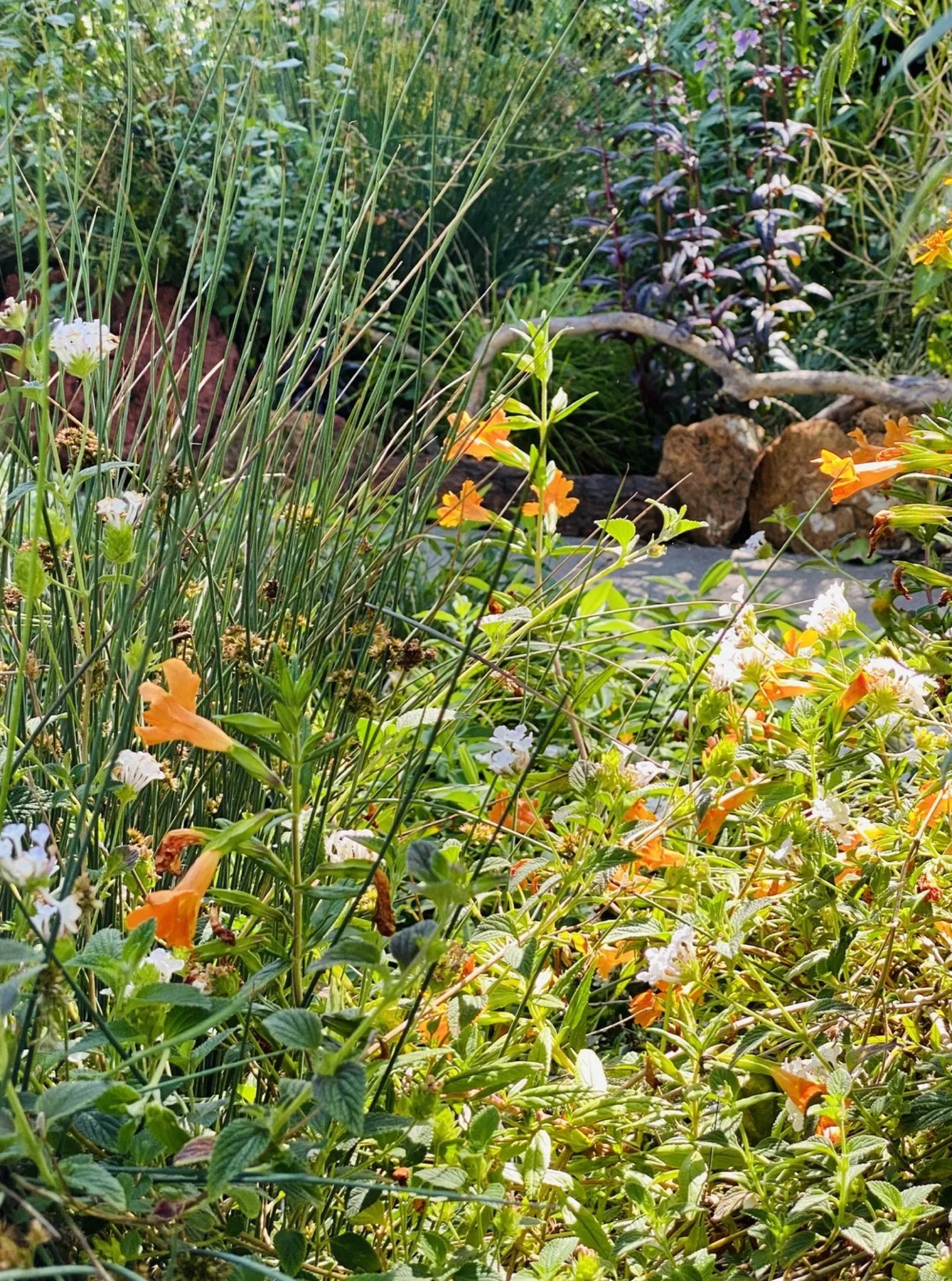
Beyond Gardens designs and installs California native plant gardens across Santa Clara County that support local pollinators and birds while using a fraction of a lawn’s water. Plant palettes are drawn from Bay Area plant communities and sequenced for year-round bloom. All plantings are child and pet safe, with no synthetic pesticides or herbicides.
Because they are adapted to the specific rhythm of this place: wet winters, bone-dry summers, heavy clay in much of the valley. A garden built from that palette stops fighting the climate.
The practical benefits:
Water
Established natives need little to no summer irrigation, dramatically reducing your largest outdoor water use.
Maintenance
No mowing, no fertilizer, no weekly intervention to keep a monoculture alive.
Habitat
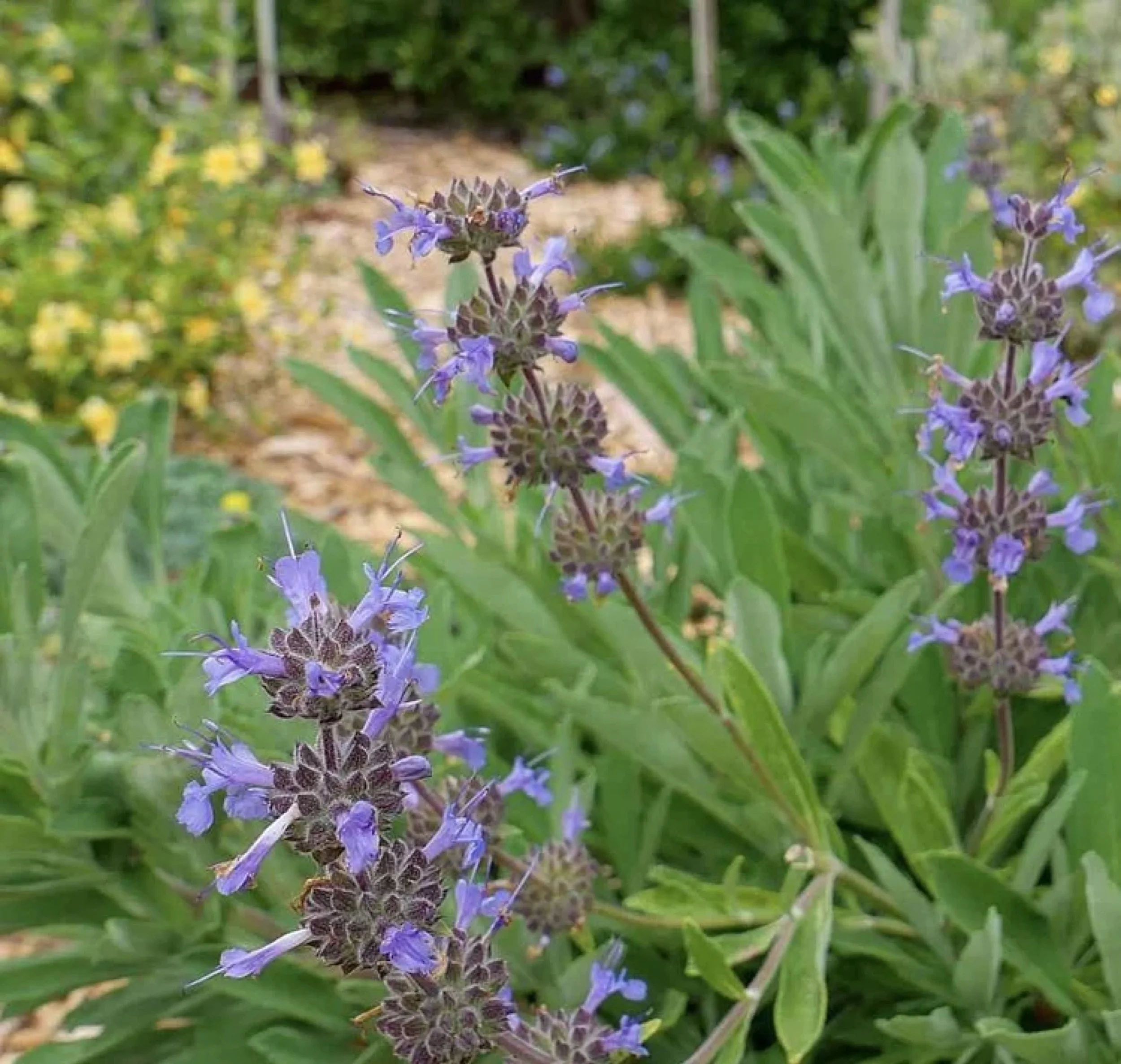
Native insects evolved alongside native plants and in many cases cannot use anything else. Monarch caterpillars need native milkweed. Specialist native bees need specific native bloom.
Birds
Native gardens in this area regularly host hummingbirds, chickadees, bushtits, cedar waxwings, thrushes, and phoebes nesting and feeding.
Soil
Deep-rooted natives build soil structure and hold hillsides in a way turf never does.
What does a native
garden look like?
Whatever you want it to look like. This is the misconception that stops most people, so it is worth being direct: “native” describes the plants, not the composition.
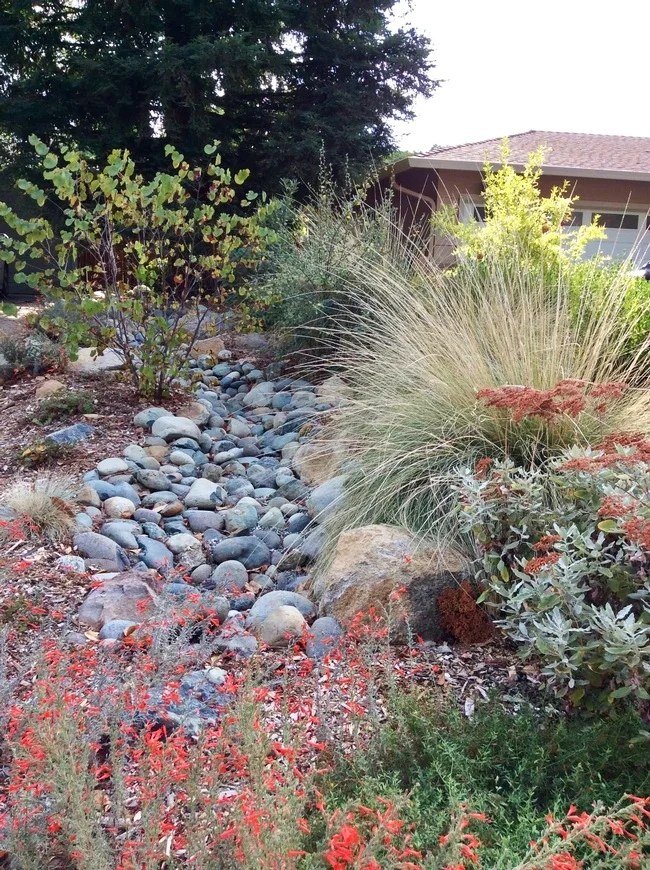
Native palettes can be built as clean contemporary massings, structured Mediterranean gardens, layered woodland understories, coastal-inspired plantings, or Zen-influenced compositions with stone and gravel. The plants can be sheared, grouped in drifts, or allowed to grow loose and meadow-like.
Design elements we work with: grasses, perennials, shrubs, vines, and trees selected from Bay Area plant communities, with bloom sequenced so something is flowering in nearly every month, plus dry-stacked stone, gravel paths, and reclaimed materials to give structure through the dormant season.
How do you design for pollinators specifically?
Bloom continuity
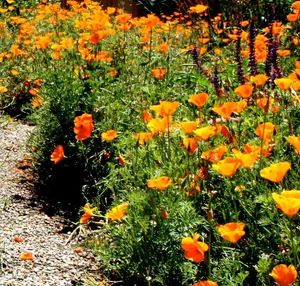
A pollinator garden fails in the gaps. We sequence bloom so nectar and pollen are available across the entire active season, not just in a spring burst.
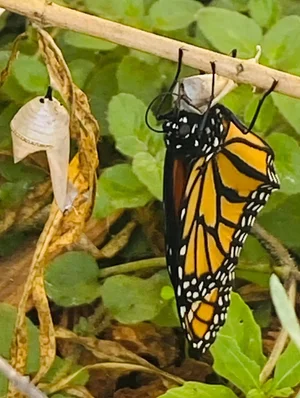
Host plants, not just nectar
Nectar feeds adult butterflies; host plants feed caterpillars. Native milkweed for monarchs is the well-known example, but the principle applies broadly. A garden with nectar and no host plants is a restaurant with no housing.
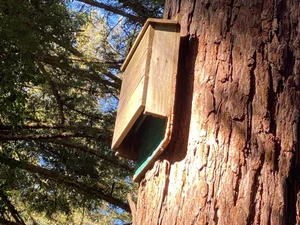
Nesting habitat
Most native bees are solitary and ground-nesting. That means leaving some bare, undisturbed soil, which conflicts with the instinct to mulch everything.
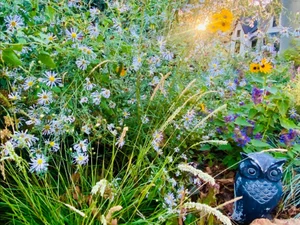
No pesticides, ever
This is non-negotiable, including systemic neonicotinoids that persist in nursery stock. We source accordingly.
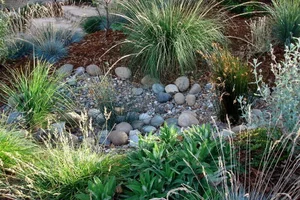
Water and shelter
Shallow water sources, leaf litter left in place, and stems left standing through winter where insects overwinter.
-
Fall through early winter, so plants establish roots during the rainy season and face their first summer with a real root system. Spring planting works but requires more supplemental water. We often schedule hardscape in summer and planting for the first rains.
-
Some California natives go summer-dormant, because that is how they survive a dry season. We plant a mix so there is always something evergreen and something in flower, and we place the summer-dormant species where their rest is not the first thing you see.
-
Yes. California native flora includes a long list of strongly coloured plants, and a well-planned native garden has flower through most of the year. We plan for a succession of bloom rather than one big spring show.
-
We select with children and pets in mind and avoid known toxic species in areas where they play. Tell us about your household at the design stage and we will build the plant list around it.
-
It depends on what you are replacing and how it was irrigated, but converting lawn to native planting typically cuts landscape water use substantially once the plants are established.