
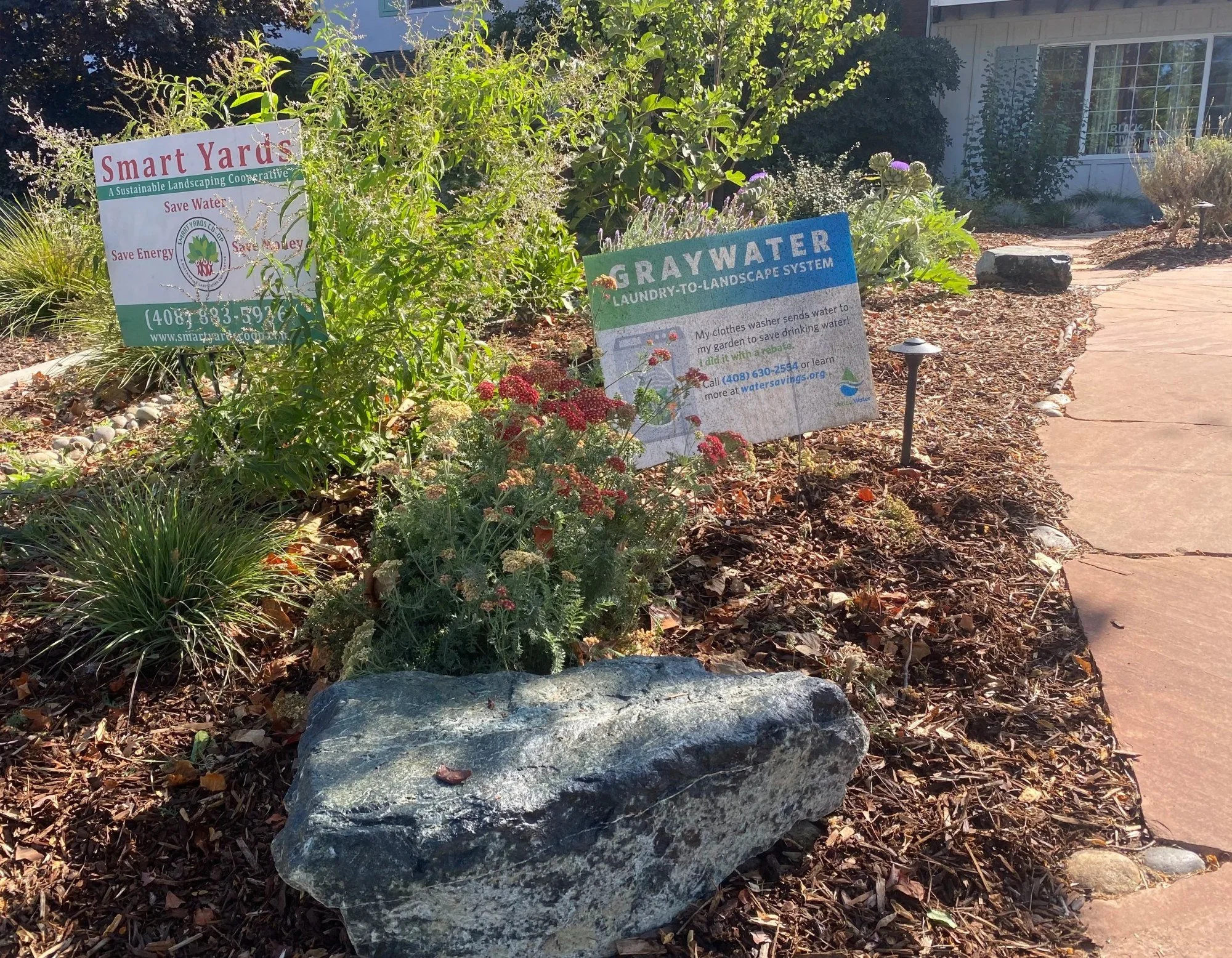
Greywater System Installation
Beyond Gardens installs Laundry-to-Landscape greywater systems that redirect washing machine water to fruit trees, shrubs, and ornamental plants instead of the sewer. Most installations take one to two days. Under California code, Laundry-to-Landscape systems that meet state conditions generally require no permit, making them the fastest, lowest-cost way to reuse household water.
A simple, gravity-driven system that takes the water your washing machine already pumps out and sends it into the garden through a network of tubing and mulch basins. No filters to clean, no pumps to fail, no tank storing water that goes anaerobic.
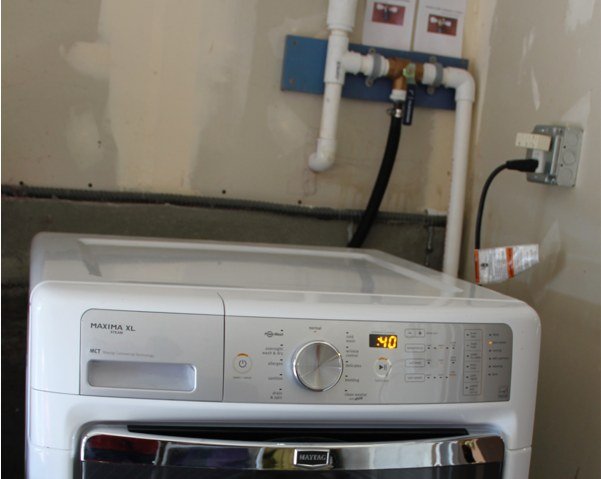
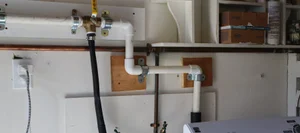
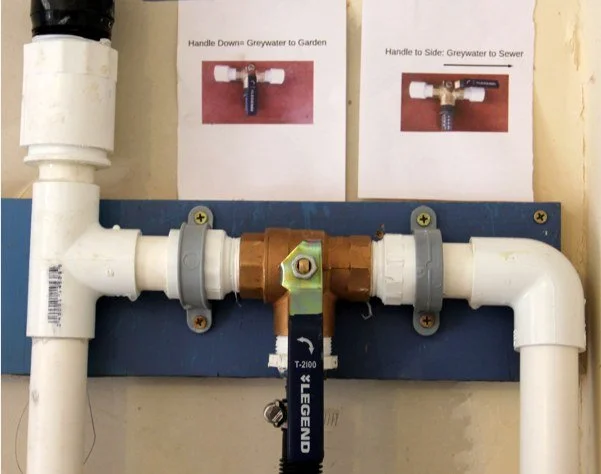
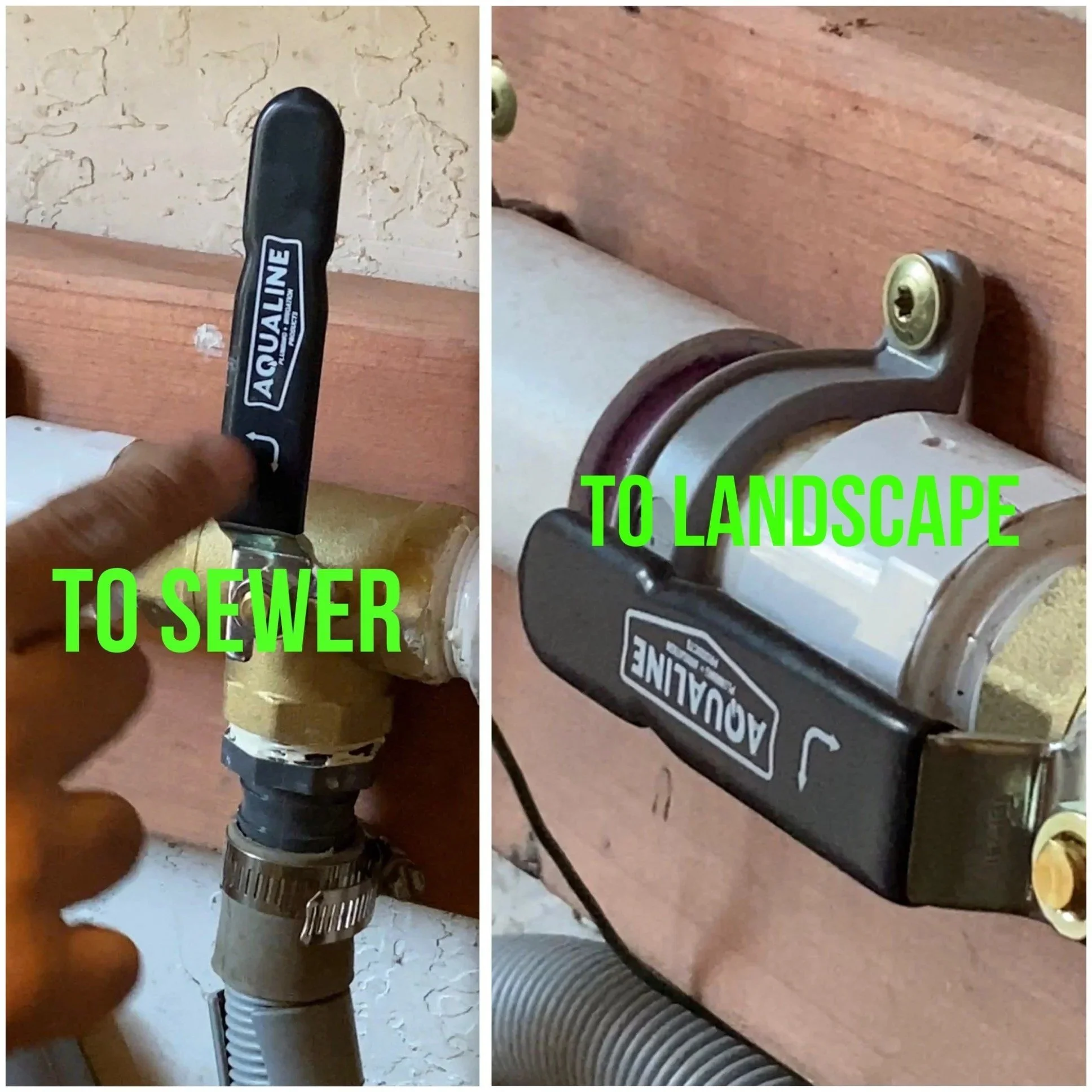
The washing machine’s internal pump does the work. A three-way valve lets you switch between sewer and landscape, so on the day you wash something you would rather not put on your plants, you flip a lever.
Three-way diverter valve at the machine
One-inch tubing routed to the planting areas
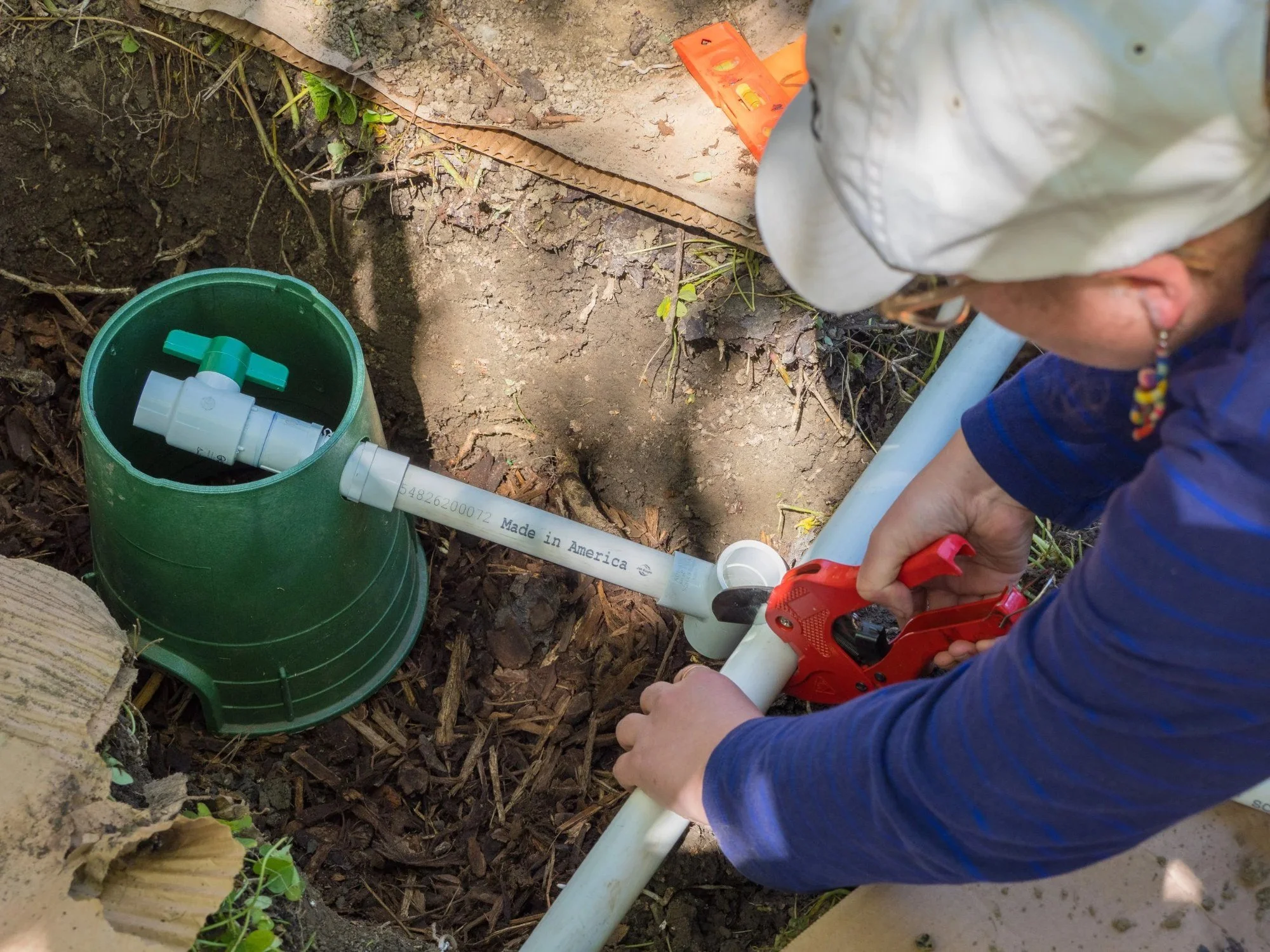
Outlet valves and mulch basins at each plant
An air vent to prevent siphoning
Why Laundry-to-Landscape rather than a bigger system?
Because it is the one that gets used.
Shower and sink greywater systems can move more water, but they involve cutting into drain plumbing, usually require permits, and cost substantially more. Laundry-to-Landscape connects to a machine that already has a pump and an accessible outlet hose. It is the highest return per dollar in household water reuse, which is why California wrote a permit exemption specifically for it.
A household running several loads a week can keep a row of fruit trees irrigated through the dry season on water that would otherwise be treated and discharged.
What can greywater irrigate, and what can
it not?
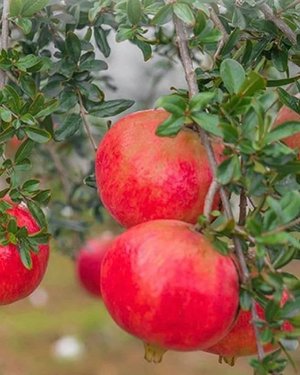
Good candidates
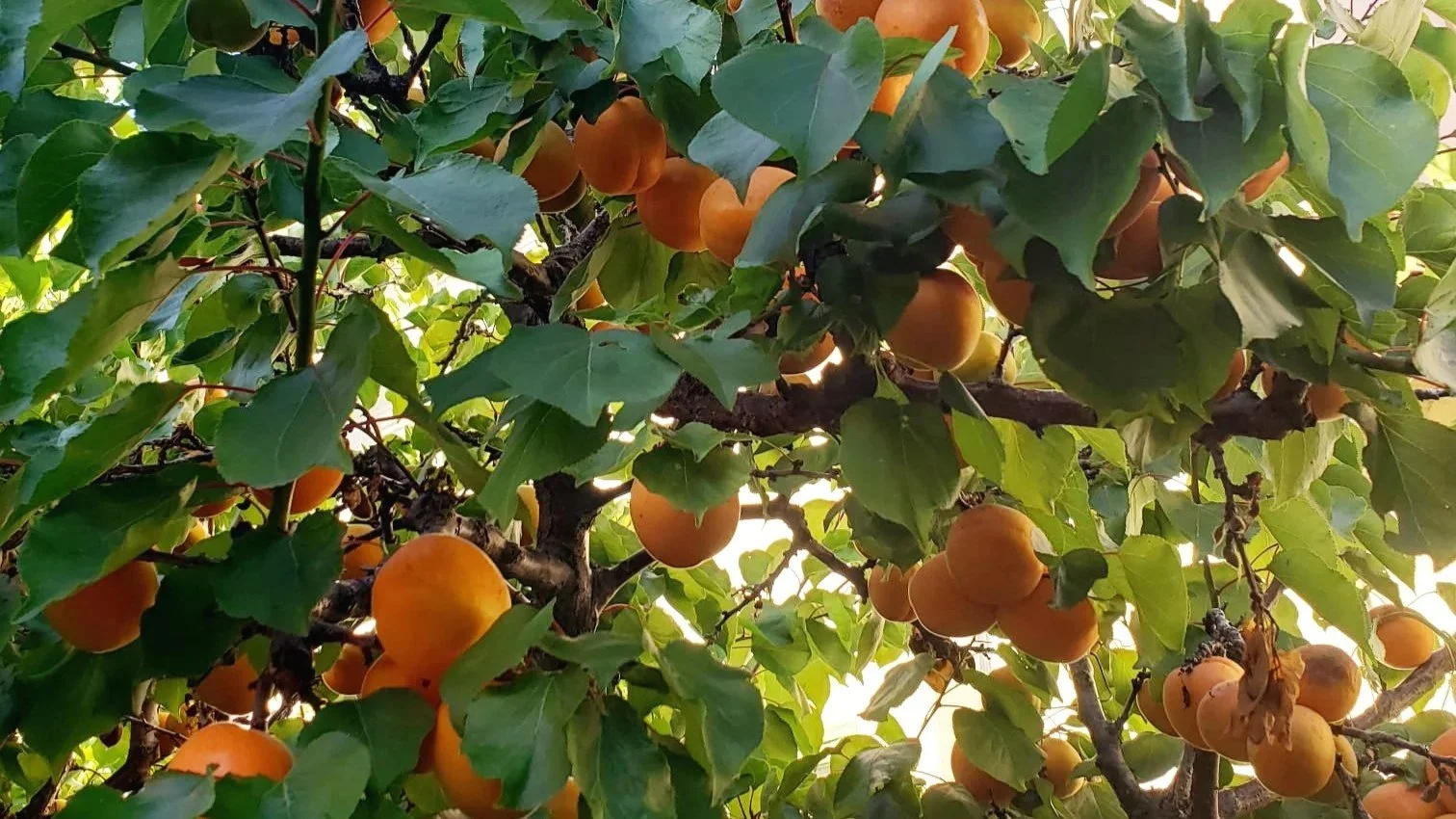
fruit trees, ornamental trees, large shrubs, berry canes, and established perennials. Anything with a substantial root zone that can be watered under mulch.
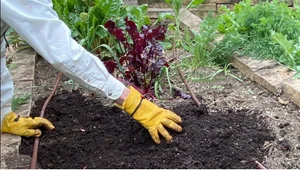
Not suitable
root vegetables, leafy greens, or anything where the edible part touches the soil. Greywater goes under mulch, never sprayed, never pooled on the surface.
Detergent matters
Greywater plants need detergents free of salt, boron, and bleach. We give you a short list of brands that work. This is the one ongoing habit change the system requires, and it is a small one.
Do I need a permit for
a greywater system
in California?
Generally no, for a Laundry-to-Landscape system that meets the conditions in the California Plumbing Code: no potable water connection, no surface pooling or runoff, discharge below mulch, and a diverter back to sewer. Systems that tap shower, sink, or tub drains do require a permit.
We design to the exemption conditions by default. If your project calls for a larger system, we will tell you what the permitting path looks like before you commit. Local requirements can vary, so we confirm with your jurisdiction.
-
One to two days for a typical single-family home, depending on how far the water has to travel and what is between the laundry room and the garden.
-
No, when it is designed and used correctly. Greywater goes straight out to the mulch basins rather than being stored, and the mulch and soil biology deal with it. Problems come from storage or from pooling on the surface, and the design avoids both.
-
A laundry-to-landscape system sized to your household still does useful work, and we match the number of trees or shrubs on the line to the volume you actually produce. If laundry alone is not enough, we can look at shower and bath sources too.
-
Usually yes. Laundry-to-landscape systems are the easiest retrofit because they need no changes to household plumbing. We route the lines to existing trees and shrubs and add mulch basins where they will do the most good.
-
Yes. We hand over with a walk-through of the valves, the filter and the seasonal switch, and we cover greywater in our workshops. The systems are deliberately simple to operate.